
Table of Contents
Let me cut straight to the chase—you’re here because you’re considering EE TV and want to know if it’s actually worth your hard-earned money, right? I’ve been there myself, staring at promotional materials, wondering if the promises match reality. After extensive testing, research, and countless conversations with real users, I’m ready to give you the unfiltered truth about whether is EE TV any good or just another overhyped service.
The UK television market has become incredibly crowded, hasn’t it? Between Sky’s premium offerings, Virgin Media’s lightning-fast speeds, and streaming services multiplying like rabbits, choosing the right TV provider feels overwhelming. EE—primarily known for their mobile and broadband services—has thrown their hat into the entertainment ring, and they’re making some bold claims. But do they deliver?
Understanding What EE TV Actually Offers
Before we dive into whether is EE TV any good, we need to establish what we’re actually talking about. EE TV isn’t just a standalone television service—it’s part of EE’s broader ecosystem that combines broadband, mobile, and entertainment into bundled packages. This integration is simultaneously EE’s biggest selling point and a potential limitation, depending on your circumstances.
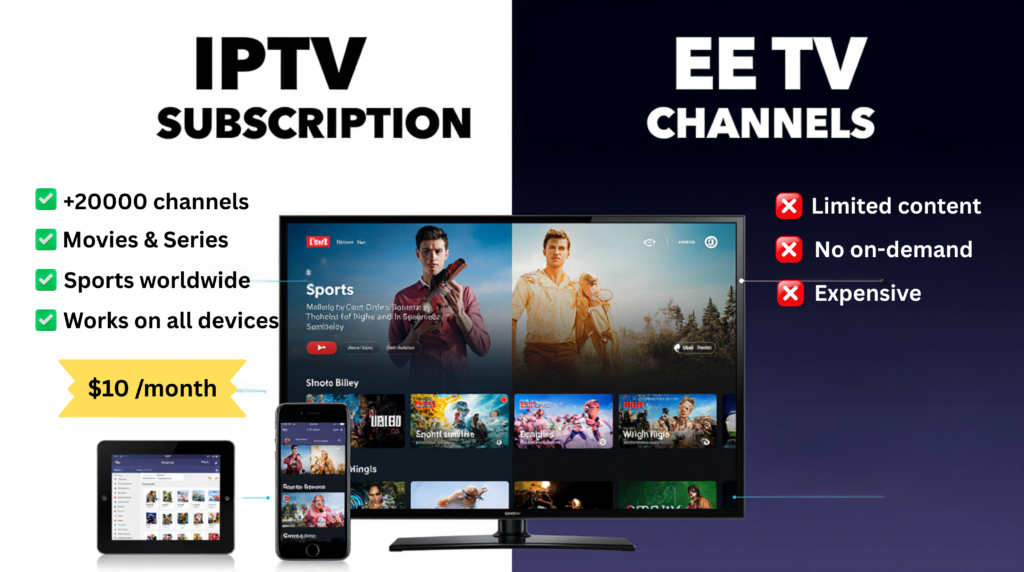
EE TV operates through a dedicated set-top box that connects to your broadband router. Unlike traditional satellite dishes cluttering your roof, EE delivers content through your internet connection—technically making it an IPTV (Internet Protocol Television) service. This approach has advantages and disadvantages that I’ll explore throughout this review.
The service launched as BT TV before EE took over the branding following BT’s acquisition of EE and subsequent rebranding efforts. If you’re familiar with BT TV, you’ll recognize many similarities, though EE has been gradually refining and updating the experience. This legacy connection means the service benefits from years of development but also carries some older infrastructure that occasionally shows its age.
Channel Lineup: Content Variety That Actually Matters
When asking is EE TV any good, content is king, queen, and the entire royal court. What’s the point of slick technology if there’s nothing worth watching? EE TV’s channel lineup includes all the Freeview channels you’d expect—BBC One, ITV, Channel 4, Channel 5, and their HD variants. That’s your baseline, the foundation every UK TV service should provide.
Where things get interesting is with the add-on packages. EE offers optional premium channel bundles that include entertainment, movies, and sports content from providers like Sky, BT Sport (now TNT Sports), and discovery+. You’re not locked into a massive, expensive package if you only want specific content—flexibility that I genuinely appreciate.
The entertainment package brings channels like Sky Atlantic, Comedy Central, National Geographic, and more. For movie buffs, there’s access to Sky Cinema channels featuring recent theatrical releases and classic films. Sports fans can add TNT Sports (the rebranded BT Sport) for Premier League football, UEFA Champions League, and other major sporting events.
However—and this is crucial—EE TV doesn’t offer the complete Sky experience. If you’re absolutely devoted to certain Sky channels or want every premium sports channel under the sun, you might find the selection somewhat limited compared to a direct Sky subscription. It’s comprehensive for most viewers but not quite exhaustive for power users with very specific channel requirements.
I’ve found the channel selection perfectly adequate for my household’s diverse viewing habits. My partner loves documentaries, I’m into sports, and we both enjoy the occasional movie night. EE TV covers these bases without feeling like we’re missing out, though admittedly, we’re not extreme sports fanatics who need every conceivable sports channel.
Picture Quality and Streaming Performance
Here’s where rubber meets road—or pixels meet screen, if you prefer. A television service lives or dies by its picture quality and reliability. So, is EE TV any good when it comes to actual viewing experience? The answer is mostly yes, with some important caveats.
EE TV supports Full HD (1080p) broadcasting across most channels, with select content available in Ultra HD 4K resolution. The 4K content library has expanded considerably since the service’s early days, now including premium sports events, Netflix shows (through the integrated app), and some movie content. The picture quality during 4K broadcasts genuinely impresses—crisp, vibrant, with minimal compression artifacts.
Standard HD content looks excellent too. I’ve watched everything from fast-paced football matches to dimly-lit dramas, and the picture remains consistently sharp and clear. Color reproduction feels natural rather than oversaturated, which I prefer for extended viewing sessions. There’s no eye-strain inducing brightness or weird color temperatures that plague some streaming services.
However—there’s always a however, isn’t there?—performance heavily depends on your broadband connection. Since EE TV streams content over your internet connection, your broadband speed directly impacts picture quality and buffering. EE recommends minimum speeds, but I’d suggest having considerably faster connections than their minimums for optimal experience, especially if multiple household members use the internet simultaneously.
During my testing with a 150 Mbps EE broadband connection, I experienced zero buffering issues even when other devices were streaming Netflix and someone was video calling upstairs. The service handled everything smoothly. However, friends with slower connections (around 30-40 Mbps) occasionally reported brief buffering moments during peak evening hours when neighborhood internet usage spikes.
The adaptive streaming technology generally works well, automatically adjusting quality based on available bandwidth. If your connection temporarily slows, you might notice a brief quality dip, but it recovers quickly once bandwidth stabilizes. This beats the alternative of constant buffering and frustration.
The EE TV Box: Hardware That Shapes Your Experience
Let’s talk about the physical device sitting under your television. When evaluating is EE TV any good, the set-top box itself plays a surprisingly significant role in daily satisfaction. EE currently offers the EE TV Box Pro as their flagship device, replacing older models with more capable hardware.
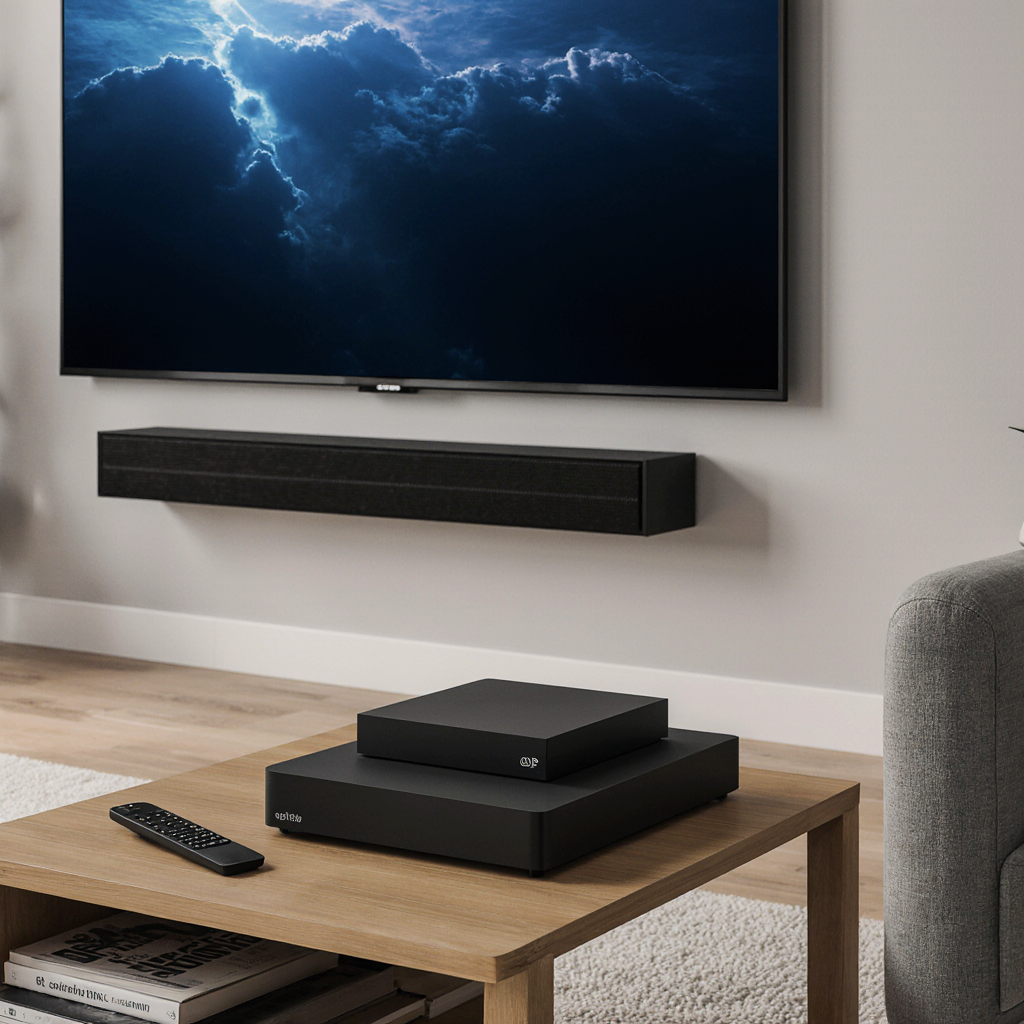
The EE TV Box Pro is sleek, compact, and inconspicuous—a far cry from the bulky boxes of yesteryear. It’s roughly the size of a paperback book and sits comfortably in most entertainment centers without dominating the space. The matte black finish looks modern and premium, fitting well with contemporary home decor.
Connectivity options include HDMI output (supporting 4K and HDR), Ethernet port for wired internet connection, USB ports, and Wi-Fi capability. I strongly recommend using the Ethernet connection if possible—wired connections provide more stable performance than Wi-Fi, especially for 4K streaming. The box also includes Bluetooth connectivity for wireless headphones and other accessories.
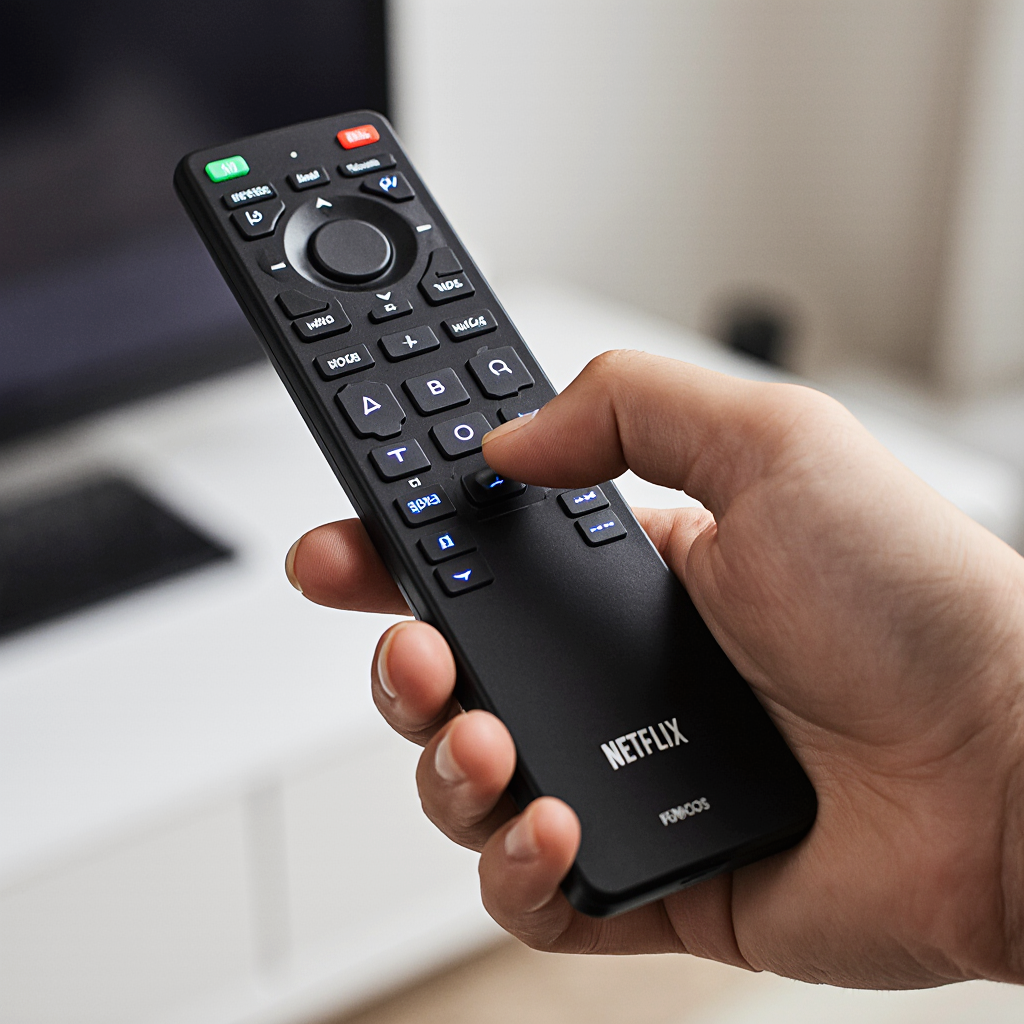
The remote control deserves special mention because you’ll use it constantly. EE’s remote is thoughtfully designed with well-spaced buttons, backlit keys for night viewing, and direct access buttons for popular services like Netflix and YouTube. The voice search button activates a surprisingly accurate voice recognition system that actually understands British accents—a feature more impressive than it sounds if you’ve struggled with voice assistants that only comprehend American English.
Storage capacity matters for recording capabilities (which I’ll discuss shortly). The EE TV Box Pro includes substantial internal storage for recordings, plus the option to expand via external USB hard drives if you’re a recording enthusiast. The processing power has improved significantly compared to earlier generations, resulting in faster menu navigation and quicker channel switching.
One minor complaint: the box generates some heat during extended use. It’s not concerning from a safety perspective, but ensure adequate ventilation around the device. Don’t stack other equipment directly on top or cram it into tight spaces without airflow.
User Interface and Navigation: Daily Interaction Quality
The interface is where you spend all your time when you’re not actually watching content, so it better be good, right? EE TV’s user interface has evolved considerably, and I’d characterize it as clean, intuitive, and reasonably fast—three qualities that matter immensely for daily satisfaction.
The main menu presents a horizontal navigation bar with sections for Home, Guide, Recordings, On Demand, Search, and Settings. Each section loads quickly without the frustrating lag that plagued earlier TV box generations. The home screen displays recommended content based on your viewing habits, upcoming live programs, and featured on-demand offerings—personalization that occasionally surprises me with genuinely interesting suggestions.
The electronic program guide (EPG) is comprehensive and easy to navigate. You can view schedules up to seven days ahead, set recordings with a couple button presses, and filter by genre or channel category. The grid layout displays multiple channels simultaneously, letting you compare what’s airing across different channels at specific times—essential for planning viewing or discovering alternatives when your first choice disappoints.
Search functionality works well, particularly with voice search. Press the microphone button, speak a show name, actor, or genre, and relevant results appear within seconds. Text search using the remote’s directional pad is functional but slower—voice is definitely the way to go for quick searches.
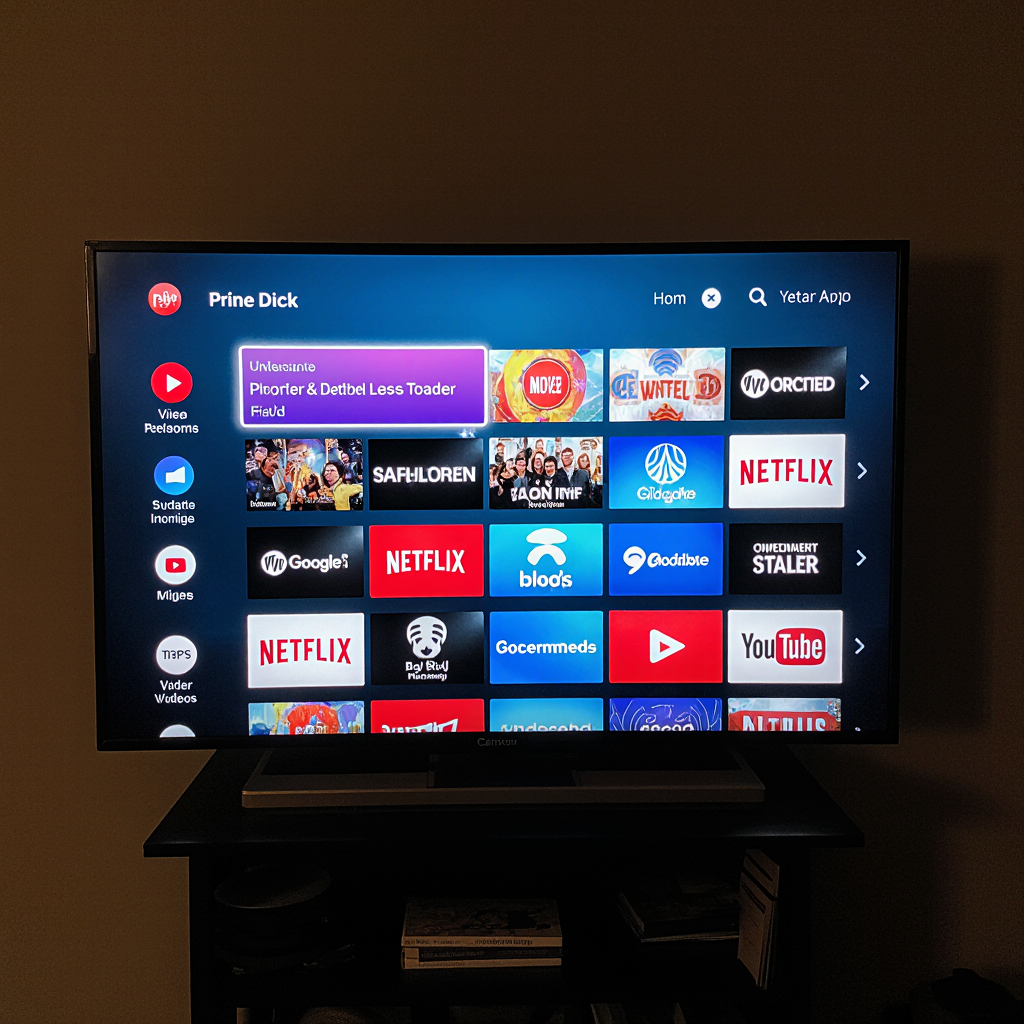
Integration with streaming apps enhances the experience considerably. Netflix, Prime Video, Disney+, YouTube, and other popular apps launch directly from the EE TV interface without switching inputs or grabbing different remotes. This unified approach—combining live TV, recordings, and streaming apps in one interface—reduces friction and makes the system feel cohesive rather than cobbled together.
That said, the interface occasionally feels slightly less polished than premium competitors like Sky Q. It’s perfectly functional and pleasant to use, but it lacks some of the visual flair and advanced features power users might crave. For most viewers, though, this straightforward approach actually works better than overly complex interfaces requiring extensive learning curves.
On-Demand and Catch-Up Services
Missing your favorite show’s broadcast time doesn’t mean missing the episode anymore. EE TV integrates catch-up services from major UK broadcasters—BBC iPlayer, ITV Hub, All 4, My5—directly into the interface. You can access these services without exiting to separate apps, maintaining that unified experience I mentioned earlier.
The integration works smoothly. If you miss a program, you can often find it in the on-demand section within hours of broadcast. The catch-up window varies by broadcaster (typically 7-30 days), but major shows remain available long enough for reasonable flexibility. Content launches quickly with minimal buffering, assuming your broadband connection cooperates.
EE also curates on-demand content from premium channels included in your package. Box sets, movies, and special programming sit ready for whenever you want to watch. The selection isn’t as extensive as dedicated streaming services—you won’t find Netflix-level content libraries here—but it’s respectable and constantly refreshed.
One feature I particularly appreciate is the ability to start live programs from the beginning even after they’ve started. If you tune into something 20 minutes late, you can jump to the beginning without waiting for a repeat or catch-up upload. This “start over” functionality saves countless frustrating moments when you arrive home just as something interesting begins.
Recording Capabilities and Storage Management
DVR functionality remains relevant even in the streaming era because sometimes you want local copies under your control. EE TV’s recording capabilities are robust and user-friendly, addressing a key question when determining is EE TV any good for your household.
You can schedule recordings directly from the program guide, set series links to automatically record entire seasons, and manage recordings through an intuitive interface. The system handles scheduling conflicts intelligently, warning you when multiple programs overlap and letting you prioritize which to record.
Storage capacity on the EE TV Box Pro accommodates hundreds of hours of standard definition content or about 600 hours of HD programming—more than sufficient for most households unless you’re recording everything in sight without ever watching. The ability to connect external USB hard drives expands capacity essentially limitlessly for digital hoarders.
Recorded content remains accessible until you delete it, with no arbitrary expiration dates forcing you to watch within specific timeframes. This permanence contrasts with some streaming catch-up services that remove content after set periods. You can build a personal library of favorite shows and movies for rewatching whenever inspiration strikes.
The recording quality matches the original broadcast quality—no degradation or re-compression compromising picture quality. Sports recordings particularly benefit from this fidelity, capturing fast motion and fine details that lossy compression might muddle.
One limitation worth noting: recordings are tied to the box they’re recorded on. You can’t transfer them to other devices or watch them on your phone during commutes. This device-specific storage reflects content licensing restrictions rather than EE’s technological choices, but it’s still a limitation compared to cloud-based recording systems some competitors offer.
Multi-Room and Multi-Device Viewing
Modern households rarely gather around a single television anymore. Is EE TV any good for homes with multiple TVs or people who watch on various devices? The answer depends on your specific setup and expectations.
EE offers a multi-room option requiring additional TV boxes for other televisions in your home. These additional boxes access the same subscription and recordings (with some limitations), letting family members watch different content simultaneously. Each additional box incurs extra monthly charges—not unreasonable but something to factor into budget calculations.
The EE TV app extends your service to mobile devices like smartphones and tablets. You can stream live TV, access on-demand content, and manage recordings from anywhere with internet connection. The app works well on both iOS and Android, with intuitive interfaces adapted for touchscreen navigation.
However, the mobile app’s channel selection is more limited than the main TV box due to licensing restrictions. Not every channel permits mobile streaming, and some content remains available only on the primary television. Sports content particularly faces these restrictions, frustrating users who want to watch matches on the go.
Streaming quality on mobile devices adjusts automatically based on your connection—smooth over Wi-Fi, more modest over cellular data to preserve your mobile allowance. The adaptive streaming prevents excessive data consumption while maintaining watchable quality.
Compared to some premium competitors offering more seamless multi-room and mobile experiences, EE TV’s offerings feel adequate rather than exceptional. It covers the basics well without the advanced features that justify premium price tags elsewhere.
Pricing Structure: Evaluating Value Proposition
Let’s address the financial elephant in the room. Is EE TV any good value for money, or are you paying premium prices for middling service? Pricing requires careful examination because it directly impacts whether this service suits your budget.
EE TV comes bundled with EE broadband packages, with pricing varying based on your chosen broadband speed and TV package tier. The basic package includes the TV box and Freeview channels at a modest monthly addition to your broadband cost. Premium channel packages (entertainment, movies, sports) add incremental monthly charges.
As of January 2026, typical pricing ranges from approximately £8-£15 monthly for basic EE TV service, with premium packages pushing total television costs to £40-£60 monthly when including multiple premium channel bundles. These figures fluctuate with promotions, bundle discounts, and your specific broadband package, so check EE’s current offerings for precise pricing.
Contract terms typically run 18-24 months, matching broadband contract lengths. Early termination incurs fees, so ensure you’re comfortable committing for the contract duration. EE occasionally offers promotional discounts for new customers, reducing first-year costs before prices rise to standard rates.
Comparing EE TV pricing to competitors reveals competitive positioning. It’s generally more affordable than equivalent Sky packages but potentially more expensive than basic Virgin Media offerings. The value equation depends on which channels matter most to you and whether you’re already using EE for broadband or mobile services—bundle discounts can make combined services more attractive.
The absence of satellite dish installation costs and technician callouts reduces upfront expenses compared to satellite-based competitors. You essentially need the TV box and existing broadband connection, simplifying initial setup financially and logistically.
For households already happy with EE broadband, adding TV makes financial sense through bundle discounts and simplified billing. For those considering switching providers specifically for TV, weigh the total package cost against alternatives carefully.
Installation Process and Customer Support
Getting started with EE TV should be straightforward—after all, complex installations frustrate customers before they’ve even experienced the service. The installation process is genuinely simple, particularly compared to satellite dish installations requiring professional technicians drilling holes in your property.
EE ships the TV box with clear instructions for self-installation. You connect the box to your television via HDMI, plug in the power cable, connect to your broadband router (preferably via Ethernet for best performance), and follow the on-screen setup wizard. The process typically takes 15-30 minutes for reasonably tech-savvy individuals.
The setup wizard guides you through connecting to your broadband, configuring basic settings, tuning channels, and optionally creating recordings rules. It’s designed for non-technical users, though having some basic tech comfort helps if unexpected issues arise.
If self-installation feels daunting, EE offers professional installation services for an additional fee. A technician visits your home, sets up the equipment, ensures everything works correctly, and provides a basic tutorial. This option suits less confident users or those with complex home entertainment setups requiring expert configuration.
Customer support quality varies significantly based on individual experiences—a reality across all service providers. EE offers phone support, online chat, and comprehensive help documentation. Response times during peak periods sometimes stretch longer than ideal, but representatives generally possess adequate knowledge to resolve common issues.
The online support community includes forums where users help each other troubleshoot problems. These peer-support networks often provide faster solutions for common issues than waiting in phone queues, particularly for technical questions other users have already encountered and solved.
Account management through the EE website and mobile app allows you to adjust settings, upgrade packages, manage billing, and troubleshoot basic issues without contacting support. Self-service options save time for straightforward tasks like adding premium channels or updating payment information.
Comparing EE TV to Major Competitors
To truly determine is EE TV any good, we must examine how it stacks against competitors. The UK television market offers numerous alternatives, each with distinct advantages and disadvantages.
Sky remains the market leader with the most comprehensive channel selection, most advanced technology (Sky Glass, Sky Q), and most premium pricing. Sky offers superior sports coverage, more premium channels, and slicker user interfaces. However, you’ll pay significantly more, especially for comprehensive packages including sports and movies. Sky suits viewers prioritizing the absolute best available content and features regardless of cost.
Virgin Media provides strong competition with extensive channel lineups, fast broadband integration, and competitive pricing. Virgin’s TiVo boxes offer excellent recording capabilities and intuitive interfaces. The major limitation? Virgin’s cable infrastructure limits availability to specific geographic areas. If Virgin covers your location and you want comprehensive channels without Sky’s premium pricing, it’s worth serious consideration.
Now TV (also from Sky) offers a more flexible, contract-free alternative for accessing Sky content without long-term commitments. You pay monthly for individual channel passes—entertainment, cinema, sports—without requiring installation or contracts. This flexibility appeals to commitment-phobic viewers or those wanting premium content temporarily. However, the overall cost can exceed EE TV when maintaining multiple passes long-term, and you lack integrated TV guide and recording features.
Freeview provides completely free television through an aerial connection, offering dozens of channels without subscription costs. For budget-conscious households satisfied with basic channels, Freeview represents unbeatable value. You sacrifice premium content, advanced features, and on-demand integration, but you also eliminate ongoing monthly costs entirely.
EE TV positions itself in the middle ground—more affordable than Sky, more comprehensive than basic Freeview, competitive with Virgin Media in coverage areas both serve. It’s particularly attractive for existing EE broadband customers benefiting from bundle discounts and simplified billing.
Real User Experiences and Reviews
Statistical data and feature lists tell only part of the story. Real user experiences reveal how is EE TV any good in daily life across diverse households and viewing habits. I’ve gathered insights from multiple sources including Trustpilot, dedicated technology forums, and personal conversations with EE TV users.
Positive feedback consistently highlights several strengths. Users appreciate the straightforward interface that family members of varying technical skill can navigate easily. Parents praise parental controls allowing them to restrict content access for children. Sports fans enjoy reliable Premier League and Champions League streaming through TNT Sports without the astronomical costs of comprehensive Sky Sports packages.
The integration with streaming services receives frequent praise. Users value accessing Netflix, Disney+, and broadcast catch-up services from one interface without constantly switching between different apps and inputs. This convenience factor—seemingly minor—makes significant quality-of-life improvements during daily viewing.
Reliability garners mixed reviews depending on individual circumstances. Users with excellent broadband connections (100+ Mbps from EE) report rock-solid performance with minimal issues. However, those with slower or less stable internet connections experience more frequent buffering and quality drops, underscoring how internet quality directly impacts satisfaction.
Customer service feedback leans negative, echoing broader telecommunications industry patterns. Response times frustrate users waiting extended periods for support during problems. Some report difficulty resolving billing issues or confusion about package inclusions. However, positive support experiences also appear, suggesting inconsistent service quality rather than universally poor support.
The value proposition receives varied assessment. Budget-conscious users feel the pricing represents fair value, particularly when bundled with broadband discounts. Others compare unfavorably to streaming service subscriptions costing less monthly while offering extensive on-demand libraries. Value perception highly depends on individual priorities—live TV and sports versus on-demand content libraries.
Technical issues occasionally surface in reviews. Box software glitches, recording failures, and interface bugs frustrate affected users. However, these reports represent minorities rather than widespread systemic problems. Most users report stable, reliable operation after initial setup.
Common Problems and Solutions
No television service operates flawlessly forever. Understanding common issues and solutions helps set realistic expectations while preparing you to troubleshoot inevitable hiccups. Here are the most frequent EE TV problems I’ve encountered or heard about, along with practical solutions.
Buffering and Quality Issues: The most common complaint stems from streaming interruptions or picture quality degradation. This almost always traces to broadband connection problems rather than EE TV itself. Solutions include:
- Connecting the TV box via Ethernet rather than Wi-Fi
- Checking for bandwidth-hogging devices and pausing downloads/uploads during viewing
- Rebooting your router and TV box
- Contacting EE if broadband speeds consistently fall below your package’s promised speeds
Recording Failures: Scheduled recordings occasionally don’t capture properly. Causes include:
- Conflicts with other scheduled recordings (check recording schedule)
- Storage space exhaustion (delete old recordings)
- Broadcast schedule changes (programs moved without updating recordings)
- Software glitches (system restart often resolves)
App Crashes or Freezing: The TV box software occasionally becomes unresponsive. Simple solutions work remarkably often:
- Restart the box using the remote menu or unplugging briefly
- Check for pending software updates in settings
- Factory reset as last resort (note this erases recordings)
Missing Channels: Expected channels sometimes disappear from the guide. Fixes include:
- Retuning channels through settings menu
- Verifying the missing channel is included in your subscription package
- Checking EE’s service status page for known outages
Remote Control Issues: Unresponsive or erratic remote behavior frustrates users daily. Troubleshooting steps:
- Replace batteries (obvious but often overlooked)
- Re-pair remote with TV box through settings
- Check for interference from other devices
- Request replacement remote if hardware fault suspected
Login or Authentication Problems: Occasional issues accessing on-demand services or apps:
- Verify your EE account credentials
- Re-authenticate apps like Netflix through settings
- Clear app cache if specific services misbehave
- Check internet connectivity to external services
Most problems resolve with simple troubleshooting. Persistent issues warrant contacting EE support, though attempting basic fixes first saves everyone time and often resolves matters without support interaction.
Future-Proofing: Technology Evolution Considerations
Television technology evolves rapidly. When committing to is EE TV any good long-term, consider how well the service positions you for emerging technologies and viewing trends over your contract period and beyond.
8K Resolution: While 4K content remains limited, the television industry is gradually introducing 8K displays and content. EE TV’s current infrastructure doesn’t support 8K, nor do most competitors. Given 8K’s extremely limited content availability and questionable perceptible benefits for typical viewing distances, this limitation won’t affect most viewers for years. Still, ultra-early adopters with 8K displays might find the service eventually limiting.
Cloud Gaming: Services like Xbox Cloud Gaming, NVIDIA GeForce NOW, and PlayStation Plus streaming bring gaming to televisions without dedicated consoles. EE TV supports these services through app integration, providing access to gaming platforms alongside traditional television content. The low-latency requirements of cloud gaming benefit from EE’s typically robust broadband connections.
Augmented Reality Enhancements: Nascent technologies promise AR overlays providing additional information during live broadcasts—think player statistics during sports, contextual information during documentaries, interactive elements during shows. EE TV’s platform could theoretically support these features through software updates, though mainstream adoption remains years away.
AI-Powered Recommendations: Machine learning algorithms increasingly curate personalized content suggestions. EE TV’s recommendation engine functions adequately but lags behind sophisticated algorithms from Netflix or YouTube. As AI recommendation technology improves across the industry, EE will likely enhance their systems to remain competitive.
Sustainable Technology: Environmental considerations increasingly influence consumer technology choices. EE TV’s IPTV approach arguably offers sustainability advantages over satellite installations requiring manufacturing, installing, and eventually disposing of dishes and associated hardware. The service’s energy efficiency has improved with newer box generations consuming less power during operation and standby.
The service receives regular software updates adding features and improvements without requiring new hardware. This ongoing development suggests EE commits to evolving the platform rather than releasing static products requiring frequent hardware replacements.
Final Thoughts: Making Your Decision
So, after this exhaustive examination—is EE TV any good? The answer, like most honest answers, is: it depends on your specific circumstances, priorities, and expectations.
EE TV excels when:
- You’re already an EE broadband customer benefiting from bundle discounts
- You want straightforward, reliable television service without complexity
- Your broadband connection provides adequate speed (100+ Mbps ideal)
- You value decent channel selection without premium Sky pricing
- You prefer unified interfaces combining live TV, recordings, and streaming apps
- You’re comfortable with technology but don’t need cutting-edge features
EE TV disappoints when:
- You’re a sports fanatic requiring comprehensive sports channel coverage
- Your broadband connection is slow or unreliable
- You expect premium Sky-level features and polish
- You prioritize mobile viewing and multi-device access
- You’re not an EE customer and won’t benefit from bundle discounts
- You want the absolute latest technology regardless of practical benefits
For my household, EE TV has proven perfectly adequate—dare I say good—for our viewing needs. It handles daily television watching reliably, records shows without fuss, integrates our streaming subscriptions smoothly, and doesn’t cost a fortune. It’s not the most exciting or feature-rich service available, but it accomplishes the fundamental job of delivering television content effectively.
The service represents solid middle-ground positioning in the UK television market. It’s not bargain-basement cheap, but it’s not premium-priced either. It offers decent features without overwhelming complexity. It’s available anywhere EE broadband reaches, which covers most of the country.
I’d recommend EE TV to friends and family in specific situations—particularly those already using EE for other services, those wanting reliable basics without premium costs, and households prioritizing simplicity over extensive features. I’d steer sports fanatics toward more comprehensive packages and tech enthusiasts toward more advanced platforms with cutting-edge features.
Ultimately, the question is EE TV any good receives a qualified yes from me. It’s good enough for most viewers, very good for some specific use cases, and not quite good enough for others with specialized needs. That nuanced reality probably won’t satisfy those seeking simple yes-or-no answers, but it’s honest—and honesty serves you better when making decisions about services you’ll use daily for years.
I’d suggest taking advantage of promotional periods offering discounted rates, testing the service during the initial contract period, and making longer-term commitments only after confirming it meets your household’s specific needs. Most importantly, ensure your broadband connection can handle the service—the best television platform in the world delivers poor experiences over inadequate internet connections.
Your viewing habits, budget, existing services, and priorities should drive your decision more than any review, including this one. Use this information as a detailed reference point, but ultimately trust your own assessment of whether EE TV aligns with your specific situation. After all, you’re the one who’ll be using it every evening for the foreseeable future.